
The situation
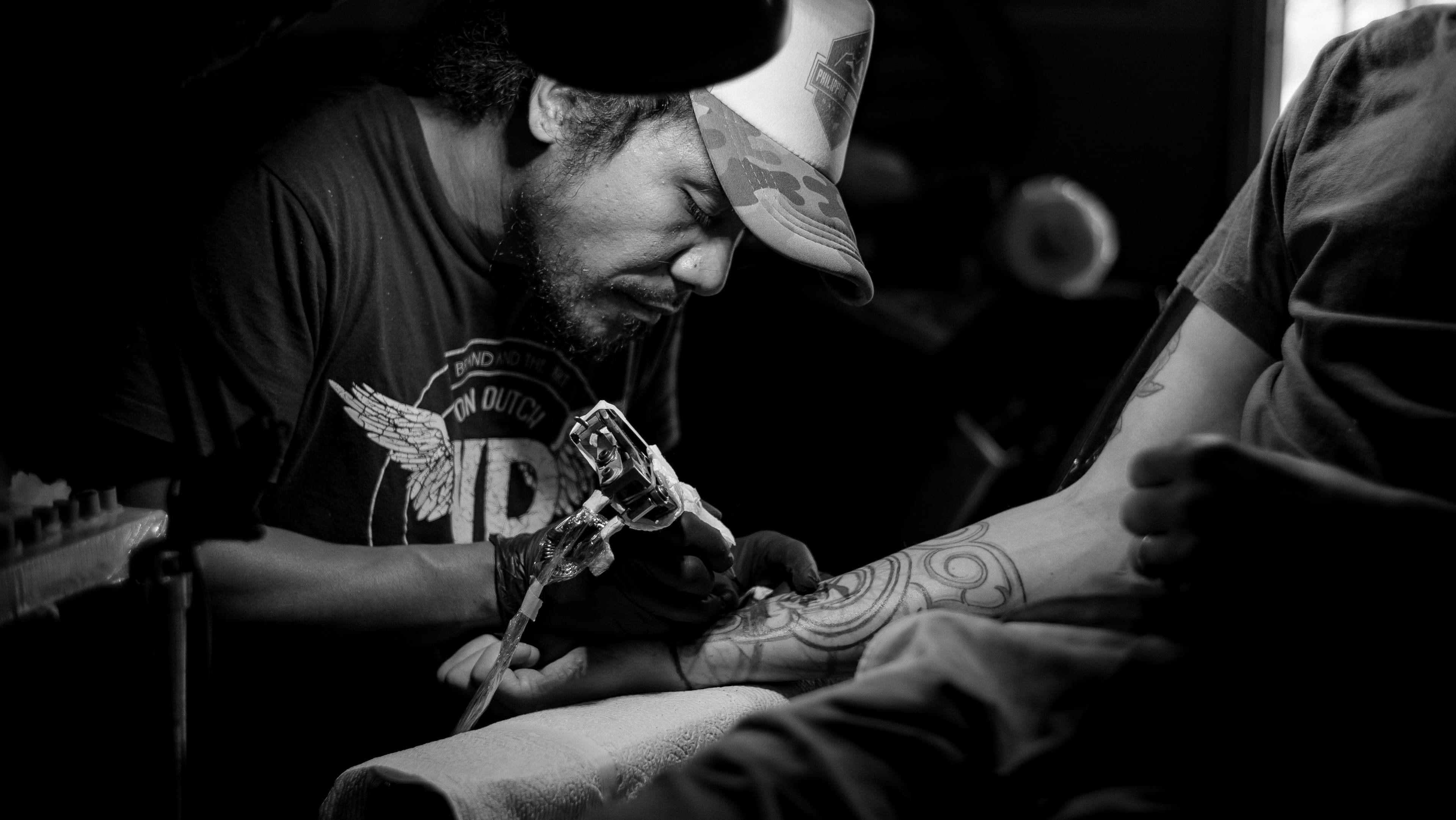
Tattoo studios in the Netherlands operate under strict health regulations. Every client interaction requires documented consent. Every needle, every ink batch, every aftercare instruction needs a paper trail. When InkBiz came to us, their network of studios was managing all of this on paper forms, WhatsApp threads, and a patchwork of spreadsheets that no one fully trusted.
The founder wasn't looking for a feature list. He had tried working with freelance developers before — someone would build a scheduling tool, someone else would bolt on a form system, and none of it talked to each other. What he needed was a team that understood his business problem first and could make the technical decisions he couldn't make himself.
Hiring a CTO and building an internal team would take six months he didn't have. The regulatory environment was tightening, and studios were operating on borrowed time. He needed a product team that could embed into his organization, understand how tattoo studios actually work, and build a system that solved the compliance problem end-to-end — not just digitize the paper forms.
How we embedded
We deployed a seven-person Mino with all three layers active from day one.
The Product Owner spent the first two weeks shadowing studio managers — sitting in on client intake sessions, watching how consent forms were filled out (and lost), and mapping the actual workflow rather than the imagined one. This revealed that the compliance problem wasn't just about forms. It was about the entire chain: scheduling → consent → session → aftercare → follow-up. Break any link and compliance falls apart.
The UX/UI Designer worked directly with studio artists and front-desk staff, not just management. This surfaced constraints that no brief would have captured: artists work with gloves on and can't navigate complex interfaces mid-session. The intake flow needed to work on a tablet propped up at reception, operated by clients themselves.
The engineering team — two frontend, two backend — operated as part of the InkBiz organization, not as external contractors. They attended the same standups, used the same communication channels, and had direct access to studio staff for questions. No intermediary. No telephone game between "the client" and "the developers."
What we built and why
We made three architectural decisions early that shaped everything:
A single platform, not multiple tools. The previous approach of separate scheduling, consent, and communication tools created the data fragmentation that caused compliance gaps. We built one integrated system where scheduling, consent, session documentation, and aftercare flow from a single data model. When an artist starts a session, the system already knows which consent forms are signed, which health declarations are current, and which aftercare instructions apply.
Client self-service for intake. Instead of front-desk staff manually entering client data from paper forms, we built a client-facing intake flow optimized for in-studio tablets. Clients enter their own information, review health declarations, and sign consent digitally — before the artist touches a needle. This eliminated the most error-prone step in the compliance chain.
We said no to a mobile app. The founder initially wanted native mobile apps for artists. We pushed back. The usage pattern — studio-based, tablet-primary, occasional desktop for management — didn't justify the complexity and maintenance cost of native development. A responsive web application with offline capability for session documentation covered the same use cases at a fraction of the cost and timeline.
The evidence
100% health regulation compliance. Before InkBiz, compliance was a manual checklist that studio managers filled out retrospectively — sometimes days after a session. Studios were one surprise audit away from fines or forced closure. The system now generates compliance documentation in real time. Every session has a complete digital audit trail: signed consent, verified health declarations, ink batch tracking, and timestamped aftercare instructions.
+5 hours saved per team member weekly. The biggest time sink wasn't any single task — it was the duplication. Client details entered at booking were re-entered on consent forms, re-entered in the scheduling system, and re-entered in the aftercare tracker. One data model eliminated four entry points. Studio managers report spending their reclaimed time on client relationships and studio operations rather than paperwork.
What we left behind
The InkBiz platform now operates independently of Tetrifox. We ran a structured handover during the final four weeks of the engagement: pair programming sessions with the two developers InkBiz hired, full documentation of architectural decisions and deployment procedures, and a gradual reduction of our involvement from full-time to advisory.
The founder's team now handles feature development, bug fixes, and infrastructure. They've shipped three significant updates since our handover without external support. The system we designed was intentionally simple enough for a small team to maintain — we chose boring technology and clear patterns over clever abstractions.
InkBiz is now exploring expansion to studios outside the Netherlands, where the compliance requirements differ. The platform architecture supports this — regulatory rules are configuration, not code — which is a decision we made in week three that's paying off now.